


Why Medical Professionals Need the EOlife X
Inadequate ventilation can have severe consequences, including brain injury or death.This is where the EOlife X Ventilation Feedback Device comes i...

Inadequate ventilation can have severe consequences, including brain injury or death.This is where the EOlife X Ventilation Feedback Device comes i...
How to apply a windlass tourniquet correctly Tragic events in recent years have led to an increase in demand for bleeding control kits and t...
Why Law Enforcement Should Have AEDs? When someone experiences Sudden Cardiac Arrest (SCA), the initial action most people take is to call...
How much does an Automated External Defibrillator (AED) cost? You’ve seen AEDs (short for Automated External Defibrillator) in many public ...
First Aid Kit Vs Bleeding Control Kits: What is the Difference? First Aid Kit vs Stop the Bleed: Why You Need One Accidents and emergencies c...
Best AEDs for .... Finding the Right AED for You Sudden Cardiac Arrest (SCA) can occur at any time and any place a...
Inadequate ventilation can have severe consequences, including brain injury or death.This is where the EOlife X Ventilation Feedback Device comes i...
How to apply a windlass tourniquet correctly Tragic events in recent years have led to an increase in demand for bleeding control kits and t...
Why Law Enforcement Should Have AEDs? When someone experiences Sudden Cardiac Arrest (SCA), the initial action most people take is to call...
How much does an Automated External Defibrillator (AED) cost? You’ve seen AEDs (short for Automated External Defibrillator) in many public ...
First Aid Kit Vs Bleeding Control Kits: What is the Difference? First Aid Kit vs Stop the Bleed: Why You Need One Accidents and emergencies c...
Best AEDs for .... Finding the Right AED for You Sudden Cardiac Arrest (SCA) can occur at any time and any place a...
Tragic events in recent years have led to an increase in demand for bleeding control kits and tourniquets in public environments such as grocery stores, schools, entertainment venues, and office buildings. Bleeding control kits and tourniquets provide a critical means to empower bystanders and first responders to act swiftly in these emergencies, potentially saving lives.
A tourniquet is a device designed to apply pressure to a limb or extremity to stop blood flow. In emergencies, when profuse bleeding from a wound threatens a person’s life, a tourniquet can be the key to stabilizing them until professional help arrives. While improvised tourniquets can be made from belts or ropes, commercial tourniquets are far more effective and recommended for use.

Knowing how and when to use a tourniquet is as important as the device itself. Here is a step by step guide to ensure you can effectively stop bleeding and save lives:
1. Find the Source of the Bleed
In critical bleeding situations, applying a tourniquet can save lives, even when performed by non-medical personnel. The use of tourniquets by civilians significantly lowers the mortality rates in trauma cases when every second counts. By integrating this skill and tool, we can ensure that anyone is ready to provide immediate care needed to prevent tragedy and preserve life.
Inadequate ventilation can have severe consequences, including brain injury or death.This is where the EOlife X Ventilation Feedback Device comes i...
How to apply a windlass tourniquet correctly Tragic events in recent years have led to an increase in demand for bleeding control kits and t...
Why Law Enforcement Should Have AEDs? When someone experiences Sudden Cardiac Arrest (SCA), the initial action most people take is to call...
How much does an Automated External Defibrillator (AED) cost? You’ve seen AEDs (short for Automated External Defibrillator) in many public ...
First Aid Kit Vs Bleeding Control Kits: What is the Difference? First Aid Kit vs Stop the Bleed: Why You Need One Accidents and emergencies c...
Best AEDs for .... Finding the Right AED for You Sudden Cardiac Arrest (SCA) can occur at any time and any place a...
When someone experiences Sudden Cardiac Arrest (SCA), the initial action most people take is to call 911. For every minute that goes by without CPR and defibrillation, the chance of survival drops by 10 percent. With EMS response times averaging over 10 minutes sometimes law enforcement are the first ones to arrive. Having Automated External Defibrillators (AEDs) in squad cars can make the difference in saving a life by delivering a shock as soon as possible before EMS arrives.
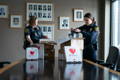
Law enforcement vehicles do not respond from a centralized location the way fire and EMS does. This allows them to have quicker response times to the scene of an emergency. Law enforcement officers are able to begin the resuscitation process faster by having AEDs in their squad cars. AEDs are rugged, lightweight, and compact devices that take up minimal space in vehicles. These devices are also designed to be user-friendly and with clear instructions.
Inadequate ventilation can have severe consequences, including brain injury or death.This is where the EOlife X Ventilation Feedback Device comes i...
How to apply a windlass tourniquet correctly Tragic events in recent years have led to an increase in demand for bleeding control kits and t...
Why Law Enforcement Should Have AEDs? When someone experiences Sudden Cardiac Arrest (SCA), the initial action most people take is to call...
How much does an Automated External Defibrillator (AED) cost? You’ve seen AEDs (short for Automated External Defibrillator) in many public ...
First Aid Kit Vs Bleeding Control Kits: What is the Difference? First Aid Kit vs Stop the Bleed: Why You Need One Accidents and emergencies c...
Best AEDs for .... Finding the Right AED for You Sudden Cardiac Arrest (SCA) can occur at any time and any place a...
You’ve seen AEDs (short for Automated External Defibrillator) in many public spaces including airports, shopping malls, gyms, and schools. Over the past couple of years, many people have begun to notice the importance of having them readily available to help treat victims of Sudden Cardiac Arrest (SCA). As the American Heart Association states, an AED is a portable device that “delivers an electric shock through the chest to the heart when it detects an abnormal rhythm and changes the rhythm back to normal.” Whether buying an AED for personal home use or a business, we’ll help you understand what expenses to consider as you shop for this life-saving device.
As of today, a brand-new AED costs anywhere from $1,400 to $3,500 (cost can exceed depending on intended use). An alternative to a new unit can be a refurbished AED unit which can drastically reduce the cost for those looking for a cost-effective solution. All AEDs have the same goal; to walk rescuers through the process of helping an SCA victim. They begin to differ with their unique features such as ZOLL’s Uni-Pad ability in the ZOLL AED 3 or a Pad-Pak from a HeartSine unit combining the pads and battery into one cartridge. In the past, we’ve talked about what AEDs we recommend depending on the industry, but today we’ll further talk about the costs associated with the purchase and maintenance of an AED.
The market for home Over-the-Counter (OTC) AEDs is currently limited to two units, the HeartSine 350P and the Philips OnSite. Both are fantastic, FDA-approved for home use and are also some of the top-selling AEDs across the board for many industries. Other AEDs typically require a prescription, but working with AED Professionals will help you receive a prescription when you purchase your AED, allowing you to buy a personal AED more easily. You can expect an average base cost of $1,450.00 (As of March 2024) without any additional accessories. If you are purchasing additional accessories, such as pediatric pads, you can expect the cost to go up.
NOTE: It is common that insurance companies typically do not cover the purchase of a personal AED. Please reach out to your insurance provider for further information and/or details.
Over the past few years, AEDs have slowly become required for specific establishments. An example of this is how gyms in more than 10 states are required to have an AED on site. With a variety of AEDs out there in the market for businesses, you can expect an average base cost of about $1,810.00 (As of March 2024) without any additional accessories. The purchase of additional accessories will make the cost go up.
Places of worship and other non-profit organizations have budget constraints when it comes to looking for an AED. Not only are there constraints with budgets, but there are also specific needs that need to be met, such as needing pediatric pads for children. Non-profit organizations and places of worship should expect an average cost of about $1,850.00 (As of March 2024) without any additional accessories. The purchase of additional accessories will make the cost go up.
Professionals in the Emergency Medical Responders (EMS) and Law Enforcement industry are the individuals who are most often first to arrive on the scene to begin immediately in assisting the SCA victim, meaning that they use AEDs the most frequently. These professionals need to make sure they are not only carrying an AED, but they must also make sure they have pediatric pads (if the AED needs them) to respond to a child victim. Oftentimes, EMS and Law Enforcement will purchase models that have more features, pushing the average cost higher than any of the other groups. EMS and Law Enforcement departments should expect an average cost of $2,375.00 (As of March 2024) without any additional accessories. The purchase of additional accessories, such as pediatric pads, will make the cost go up.
The total cost of ownership for an AED will vary depending on the use case. As explained, different locations and industries have different needs/requirements. Is your facility buying a new unit? Will you need an AED cabinet with signage? Will you be purchasing an AED Program Management program to make sure your AED(s) are properly maintained? Let’s take a dive into a break down of what the total cost of ownership for an AED is:
Brand new AED: $1,480.00*
Most common AED accessories purchased:
- Backup Adult Electrode Pads: $79.00
- Pediatric Electrode Pads: $115.00
- AED Cabinet & Sign: $27.00-$350.00
- AED Trainer: $485.00
Optional:
- AED Program Management: $105.00-$207.00 per year
Recurring AED Maintenance Cost:
- Adult Electrodes: $79.00 (every 2 years)
- Pediatric Electrodes: $115.00 (every 2 years)
- Battery: $189.00 (every 4 years)
*AED examples breakdown sample is using Philips HeartStart OnSite AED and its accessories.
Inadequate ventilation can have severe consequences, including brain injury or death.This is where the EOlife X Ventilation Feedback Device comes i...
How to apply a windlass tourniquet correctly Tragic events in recent years have led to an increase in demand for bleeding control kits and t...
Why Law Enforcement Should Have AEDs? When someone experiences Sudden Cardiac Arrest (SCA), the initial action most people take is to call...
How much does an Automated External Defibrillator (AED) cost? You’ve seen AEDs (short for Automated External Defibrillator) in many public ...
First Aid Kit Vs Bleeding Control Kits: What is the Difference? First Aid Kit vs Stop the Bleed: Why You Need One Accidents and emergencies c...
Best AEDs for .... Finding the Right AED for You Sudden Cardiac Arrest (SCA) can occur at any time and any place a...

Accidents and emergencies can occur at any time, and having the proper supplies to effectively treat them is important. First aid kits and stop the bleed kits are two essential tools for addressing injuries, but they serve different purposes. In this post, we will explore the key differences between these two types of kits to help understand when and how to use these life saving kits effectively.
First aid kits, such as the Kemp USA Complete First Aid Kit, are versatile tools designed to carry the necessary supplies to provide immediate assistance for a wide range of injuries and medical emergencies. They are typically equipped to handle minor injuries such as cuts, burns, sprains, and abrasions.
Bleeding Control Kits can be applied to many traumatic injuries involving severe blood loss such as motor vehicles accidents, industrial sites, and victims of violent crimes. Making them easily accessible could help save lives and stabilize the injured until first responders arrive
Tragic Events in recent years have led to an increase in demand for bleeding control kits in public environments such as a grocery stores, schools, entertainment venues, and office buildings. Bleeding control kits provide a critical means to empower bystanders and first responders to act swiftly in these emergencies, potentially saving lives. By making these kits readily available in public spaces, we can enhance our collective ability to mitigate the consequences of such events.
Inadequate ventilation can have severe consequences, including brain injury or death.This is where the EOlife X Ventilation Feedback Device comes i...
How to apply a windlass tourniquet correctly Tragic events in recent years have led to an increase in demand for bleeding control kits and t...
Why Law Enforcement Should Have AEDs? When someone experiences Sudden Cardiac Arrest (SCA), the initial action most people take is to call...
How much does an Automated External Defibrillator (AED) cost? You’ve seen AEDs (short for Automated External Defibrillator) in many public ...
First Aid Kit Vs Bleeding Control Kits: What is the Difference? First Aid Kit vs Stop the Bleed: Why You Need One Accidents and emergencies c...
Best AEDs for .... Finding the Right AED for You Sudden Cardiac Arrest (SCA) can occur at any time and any place a...
Sudden Cardiac Arrest (SCA) can occur at any time and any place affecting all people regardless of age. Having an AED readily available in every area where people gather can make all the difference between life and death. Selecting the right AED unit for your specific needs requires careful consideration because of the variety of devices and their features. AEDs offer a variety of specific features such as CPR feedback, ease of use, language capability and cost of ownership that vary by unit. Choosing the right AED for each gathering place helps create a safer environment, empowering individuals to respond confidently to cardiac events and potentially save lives.

User-friendly, reliable devices equipped with clear voice instructions and visual prompts, designed for quick and effective use by both trained and untrained individuals

Compact devices equipped with clear instructions and automatic features, designed for quick and effective response to cardiac events in households, even by those with no medical training.

Rugged, portable, and easy-to-operate devices, specifically designed to withstand demanding field conditions and enable quick, effective defibrillation by law enforcement personnel

Clear audio and visual guidance, designed to ensure swift and effective defibrillation by employees or designated responders in the event of sudden cardiac arrest in the workplace.

Compact, easy-to-use devices that cater to diverse users, ensuring rapid response and potentially life-saving defibrillation during unexpected cardiac emergencies in a sacred environment.

Compact, durable, and user-friendly devices, tailored to the fitness environment, ensuring swift response and effective defibrillation by staff or fellow gym-goers
Schools are bustling with students, teachers, and staff, and cardiac arrests can affect anyone, regardless of age. AEDs are user-friendly and can be operated by individuals with minimal training, making them accessible in a crisis. These devices are a vital addition to school safety protocols, demonstrating a commitment to the well being of students and staff, and providing peace of mind for the school and the rest of the community.
The ZOLL AED Plus is an excellent choice for gyms and fitness centers due to its robust and user-friendly design. It features real-time CPR feedback from the CPR-D Pads, which is a particularly valuable feature for helping rescuers who may not have extensive medical training. Other key features include:
The Defibtech Lifeline VIEW offers a combination of a user-friendly design and color touchscreen display with CPR feedback that makes it accessible to both trained and untrained individuals. This unit empowers both gym staff and other rescuers to confidently and effectively operate the AED.
• Built-in metronome that counts out the beat so you know what to do and when to do it.
• The status screen gives you up to the minute information on maintenance if it's required.
• The AED performs regular self-tests to ensure its readiness
• Pediatric Pads sold separately for facilities hosting children 8 years and under or weighing less than 55 pounds.
• Rugged and durable design ensures the AED can withstand a range of environments and conditions.


