


SCA vs Heart Attack: Understanding the Key Differences
Understanding the difference: Sudden Cardiac Arrest vs heart attack When it comes to heart related emergencies there’s...

Understanding the difference: Sudden Cardiac Arrest vs heart attack When it comes to heart related emergencies there’s...
Prioritizing safety is essential to ensure the well-being of employees and promote a productive environment. As organizations evolve, so do th...
Guide to aed pads AED Electrode Pads In the event of Sudden Cardiac Arrest (SCA) a quick response with an Automated Ex...
First Aid Kit Vs Bleeding Control Kits: What is the Difference? First Aid Kit vs Stop the Bleed: Why You Need One Accidents and emergencies c...
Best AEDs for .... Finding the Right AED for You Sudden Cardiac Arrest (SCA) can occur at any time and any place a...
When it comes to heart related emergencies there’s often confusion between sudden cardiac arrest (SCA) and a heart attack. Although both are cardiac emergencies that require immediate medical attention, they are different in causes, symptoms, and treatment. In this blog post we are going to lay out the differences and provide essential information to help you respond effectively in an emergency.
Sudden cardiac arrest is a medical emergency that occurs when the heart suddenly stops beating due to an electrical disturbance. This abrupt stop causes an end to blood flow to the brain and other vital organs. Without immediate aid, SCA can lead to death within minutes.
SCA is often caused by an electrical malfunction in the heart that results in an irregular heartbeat (arrhythmia). The most common life-threatening arrhythmia that leads to SCA is ventricular fibrillation. In ventricular fibrillation, the heart's lower chambers quiver ineffectively instead of pumping blood, stopping blood flow to the body's organs, including the brain. If not treated immediately, SCA can lead to death.
A heart attack, also known as a myocardial infarction, happens when blood flow to a part of the heart is blocked for a long enough time that part of the heart becomes damaged. The blockage is often a result of coronary artery disease, which is a build-up of plaque in the arteries.
Heart attacks are commonly caused by plaque buildup in the coronary arteries rather than an issue with the heart itself. Someone experiencing a heart attack might experience radiating pain, shortness of breath, nausea, lightheadedness, or cold sweats.
Emergency preparedness for SCA and Heart Attacks is crucial in our society as they can both occur anywhere at any given time. Recognizing the signs of these emergencies, having an AED readily available, and being trained in CPR all can help increase the chances of survival for a victim until professional help arrives. At AED Professionals, we ensure a commitment to top-tier quality, expertise, and comprehensive customer support. View our product offerings or if you have any questions contact our team and we will be happy to assist you.
References:
American Heart Association. (2023, May 16). Heart Attack and Sudden Cardiac Arrest Differences. Retrieved February 10, 2023, from https://www.heart.org/en/health-topics/heart-attack/about-heart-attacks/heart-attack-or-sudden-cardiac-arrest-how-are-they-different
UC Health. (2023, January 2023). Know the Signs, Help Save a Life: Sudden Cardiac Arrest vs. Heart Attack. Retrieved February 10, 2023, from https://www.uchealth.com/en/media-room/articles/know-the-signs-help-save-a-life-sudden-cardiac-arrest-vs-heart-attack
Understanding the difference: Sudden Cardiac Arrest vs heart attack When it comes to heart related emergencies there’s...
Prioritizing safety is essential to ensure the well-being of employees and promote a productive environment. As organizations evolve, so do th...
Guide to aed pads AED Electrode Pads In the event of Sudden Cardiac Arrest (SCA) a quick response with an Automated Ex...
First Aid Kit Vs Bleeding Control Kits: What is the Difference? First Aid Kit vs Stop the Bleed: Why You Need One Accidents and emergencies c...
Best AEDs for .... Finding the Right AED for You Sudden Cardiac Arrest (SCA) can occur at any time and any place a...
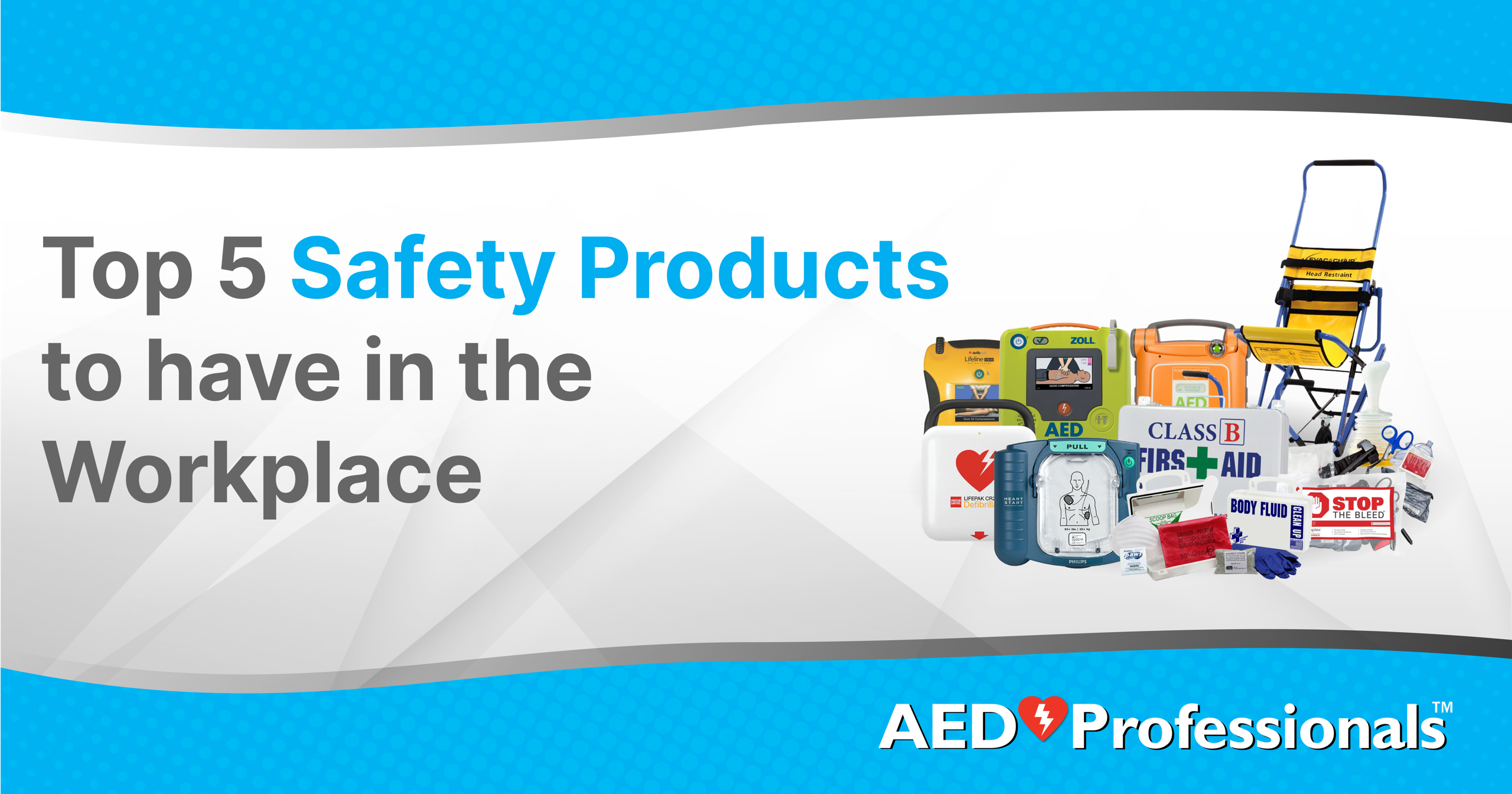
Prioritizing safety is essential to ensure the well-being of employees and promote a productive environment. As organizations evolve, so do the potential risks and hazards within the workplace. To navigate these challenges and create a secure work environment, incorporating the right safety products is essential.
Whether it’s treating minor injuries or responding to a cardiac emergency, it is important to have the proper supplies and be prepared for whatever emergency may arise. The following is a list of our top 5 products to have in the workplace.
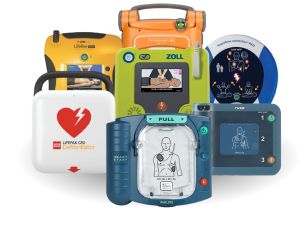
AEDs stand as crucial assets in the workplace, playing a pivotal role in response to a cardiac emergency. The importance of AEDs lies in their ability to effectively address Sudden Cardiac Arrest (SCA) which can occur at any time, including the workplace. AEDs are user-friendly and can guide untrained staff in the resuscitation process and to deliver a life-saving shock. AEDs can make the critical difference between life and death making them crucial for the safety of both staff and patrons.
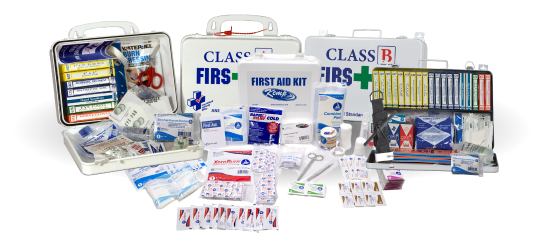
First Aid Kits are the cornerstone of workplace safety as they provide a quick and effective response to minor injuries that can occur on the job. First Aid Kits can address a wide range of injuries, from minor cuts and bruises to more serious incidents. Immediate access to bandages, antiseptics, gauze, and other essentials allow employees to administer effective first aid. Regularly maintaining and updating First Aid Kits ensures that they stay up to date and stocked with essential supplies.
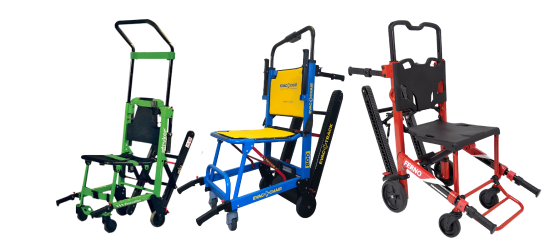
Evacuation chairs play a crucial role in buildings where traditional evacuation methods may be impractical for individuals with disabilities or limited mobility. Having a diverse workforce, evacuation chairs ensure that everyone regardless of mobility level can evacuate safely in the event of an emergency. These chairs should be an essential part of workplace protocols at companies located in high rise buildings.
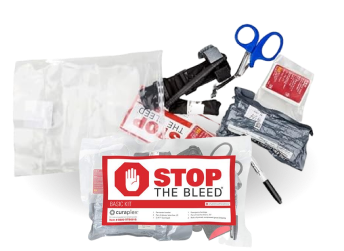
Bleeding control kits are indispensable tools in fostering a safer and more resilient workplace. These kits are specially designed to carry the proper tools to address bleeding incidents swiftly and effectively. In a workplace where machines and tools are prevalent, the risk of traumatic blood loss is a concern. Bleeding control kits typically include tourniquets, hemostatic dressings, and compression bandages to use for immediate aid in the critical minutes following an injury. Regular training on the proper use of these kits ensures that employees are not only equipped with the tools but also the knowledge to effectively administer aid to severe bleeding incidents.
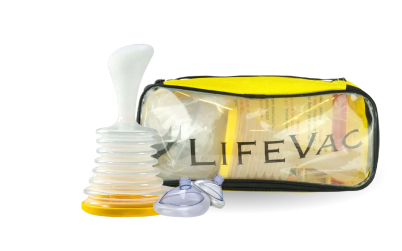
The LifeVac is a choking rescue device that emerges as a critical and innovative addition to workplace safety. Choking can happen anywhere even in the break room and having a LifeVac device readily available can be a game changer. The device is a non-invasive single-use only airway clearance device developed for resuscitating a victim with an airway obstruction. By incorporating this rescue device into workplace safety protocols, organizations demonstrate a commitment to comprehensive emergency preparedness and the well-being of their staff.
AED Professionals is your one stop shop for workplace safety products and more! We ensure a commitment to top-tier quality, expertise, and comprehensive customer support. View our product offerings or if you have any questions contact our team and we will be happy to assist you.
Understanding the difference: Sudden Cardiac Arrest vs heart attack When it comes to heart related emergencies there’s...
Prioritizing safety is essential to ensure the well-being of employees and promote a productive environment. As organizations evolve, so do th...
Guide to aed pads AED Electrode Pads In the event of Sudden Cardiac Arrest (SCA) a quick response with an Automated Ex...
First Aid Kit Vs Bleeding Control Kits: What is the Difference? First Aid Kit vs Stop the Bleed: Why You Need One Accidents and emergencies c...
Best AEDs for .... Finding the Right AED for You Sudden Cardiac Arrest (SCA) can occur at any time and any place a...
In the event of Sudden Cardiac Arrest (SCA) a quick response with an Automated External Defibrillator (AED) is vital for increasing the chances of survival. Whether you are applying the pads to an adult or child, it is important to know how to properly apply the AED pads to ensure adequate help is being given.
Always call or ask bystanders to call 911 before applying the AED.
The first step to placing AED pads on an adult is to remove anything that might affect or obstruct the adhesion and conductivity of the shock. Some things to look out for include jewelry, body hair, and moisture.
Even though AED pads are sealed before use, the FDA assigns expiration dates based on the tested integrity of componentry to ensure that pads are working at their full strength when they are needed. Pads have an expiration date due to the aging of the pad's conductive adhesive. Worn out or old pads may not adhere properly to the victim and could impede with the delivery of a life saving shock.
When you purchase an AED Pad or Battery from AED Professionals, we'll remind you 90, 60 and 30 days before they are due to be replaced. We'll help you stay on top of your units maintenance and ensure that it's ready for rescue whenever it's needed.
Understanding the difference: Sudden Cardiac Arrest vs heart attack When it comes to heart related emergencies there’s...
Prioritizing safety is essential to ensure the well-being of employees and promote a productive environment. As organizations evolve, so do th...
Guide to aed pads AED Electrode Pads In the event of Sudden Cardiac Arrest (SCA) a quick response with an Automated Ex...
First Aid Kit Vs Bleeding Control Kits: What is the Difference? First Aid Kit vs Stop the Bleed: Why You Need One Accidents and emergencies c...
Best AEDs for .... Finding the Right AED for You Sudden Cardiac Arrest (SCA) can occur at any time and any place a...

Accidents and emergencies can occur at any time, and having the proper supplies to effectively treat them is important. First aid kits and stop the bleed kits are two essential tools for addressing injuries, but they serve different purposes. In this post, we will explore the key differences between these two types of kits to help understand when and how to use these life saving kits effectively.
First aid kits, such as the Kemp USA Complete First Aid Kit, are versatile tools designed to carry the necessary supplies to provide immediate assistance for a wide range of injuries and medical emergencies. They are typically equipped to handle minor injuries such as cuts, burns, sprains, and abrasions.
Bleeding Control Kits can be applied to many traumatic injuries involving severe blood loss such as motor vehicles accidents, industrial sites, and victims of violent crimes. Making them easily accessible could help save lives and stabilize the injured until first responders arrive
Tragic Events in recent years have led to an increase in demand for bleeding control kits in public environments such as a grocery stores, schools, entertainment venues, and office buildings. Bleeding control kits provide a critical means to empower bystanders and first responders to act swiftly in these emergencies, potentially saving lives. By making these kits readily available in public spaces, we can enhance our collective ability to mitigate the consequences of such events.
Understanding the difference: Sudden Cardiac Arrest vs heart attack When it comes to heart related emergencies there’s...
Prioritizing safety is essential to ensure the well-being of employees and promote a productive environment. As organizations evolve, so do th...
Guide to aed pads AED Electrode Pads In the event of Sudden Cardiac Arrest (SCA) a quick response with an Automated Ex...
First Aid Kit Vs Bleeding Control Kits: What is the Difference? First Aid Kit vs Stop the Bleed: Why You Need One Accidents and emergencies c...
Best AEDs for .... Finding the Right AED for You Sudden Cardiac Arrest (SCA) can occur at any time and any place a...
Sudden Cardiac Arrest (SCA) can occur at any time and any place affecting all people regardless of age. Having an AED readily available in every area where people gather can make all the difference between life and death. Selecting the right AED unit for your specific needs requires careful consideration because of the variety of devices and their features. AEDs offer a variety of specific features such as CPR feedback, ease of use, language capability and cost of ownership that vary by unit. Choosing the right AED for each gathering place helps create a safer environment, empowering individuals to respond confidently to cardiac events and potentially save lives.

User-friendly, reliable devices equipped with clear voice instructions and visual prompts, designed for quick and effective use by both trained and untrained individuals

Compact devices equipped with clear instructions and automatic features, designed for quick and effective response to cardiac events in households, even by those with no medical training.

Rugged, portable, and easy-to-operate devices, specifically designed to withstand demanding field conditions and enable quick, effective defibrillation by law enforcement personnel

Clear audio and visual guidance, designed to ensure swift and effective defibrillation by employees or designated responders in the event of sudden cardiac arrest in the workplace.

Compact, easy-to-use devices that cater to diverse users, ensuring rapid response and potentially life-saving defibrillation during unexpected cardiac emergencies in a sacred environment.

Compact, durable, and user-friendly devices, tailored to the fitness environment, ensuring swift response and effective defibrillation by staff or fellow gym-goers
Schools are bustling with students, teachers, and staff, and cardiac arrests can affect anyone, regardless of age. AEDs are user-friendly and can be operated by individuals with minimal training, making them accessible in a crisis. These devices are a vital addition to school safety protocols, demonstrating a commitment to the well being of students and staff, and providing peace of mind for the school and the rest of the community.
The ZOLL AED Plus is an excellent choice for gyms and fitness centers due to its robust and user-friendly design. It features real-time CPR feedback from the CPR-D Pads, which is a particularly valuable feature for helping rescuers who may not have extensive medical training. Other key features include:
The Defibtech Lifeline VIEW offers a combination of a user-friendly design and color touchscreen display with CPR feedback that makes it accessible to both trained and untrained individuals. This unit empowers both gym staff and other rescuers to confidently and effectively operate the AED.
• Built-in metronome that counts out the beat so you know what to do and when to do it.
• The status screen gives you up to the minute information on maintenance if it's required.
• The AED performs regular self-tests to ensure its readiness
• Pediatric Pads sold separately for facilities hosting children 8 years and under or weighing less than 55 pounds.
• Rugged and durable design ensures the AED can withstand a range of environments and conditions.


