


AED Battery Replacement: A Comprehensive Guide
An Automated External Defibrillator (AED) is a critical emergency aid tool for healthcare facilities, schools, churches, and other organizations. M...

An Automated External Defibrillator (AED) is a critical emergency aid tool for healthcare facilities, schools, churches, and other organizations. M...
If someone is choking, you have just minutes to clear the obstruction before the situation becomes critical. While the Heimlich maneuver or blows t...
An Automated External Defibrillator (AED) is a critical emergency aid tool for healthcare facilities, schools, churches, and other organizations. M...
When using an AED on an infant under one year of age it’s crucial to use pediatric AED pads designed specifically for a child. Proper placement of ...
Maintaining consistent, high-quality compressions manually can be physically demanding and difficult, especially during long transport times or com...
When medical emergencies occur, every second counts. Cardiac arrest and respiratory arrest are two critical emergencies with distinct symptoms. Res...
When emergencies strike, every second counts, especially in the event someone goes into Sudden Cardiac Arrest(SCA), where the heart suddenly stops ...
What is the difference between automated external defibrillators and manual defibrillators? In the event someone suffers Sudden Cardiac Arre...
Do AEDs Expire? Sudden Cardiac Arrest (SCA) claims thousands of lives annually in the United States alone. In these critical moments, the pr...
Why AEDs are needed in Rural Areas Across America there are numerous rural communities spread far and wide from one anothe...
How much does an Automated External Defibrillator (AED) cost? You’ve seen AEDs (short for Automated External Defibrillator) in many public ...
Where to Place your AED? When it comes to public safety, one piece of equipment stands out for its life saving capabilitie...
An Automated External Defibrillator (AED) is a critical emergency aid tool for healthcare facilities, schools, churches, and other organizations.
Maintaining it to ensure that it is in perfect working order is key to its effectiveness and reliability. The AED battery replacement is an important part of that maintenance.
An Automated External Defibrillator (AED) is a critical emergency aid tool for healthcare facilities, schools, churches, and other organizations. M...
If someone is choking, you have just minutes to clear the obstruction before the situation becomes critical. While the Heimlich maneuver or blows t...
An Automated External Defibrillator (AED) is a critical emergency aid tool for healthcare facilities, schools, churches, and other organizations. M...
When using an AED on an infant under one year of age it’s crucial to use pediatric AED pads designed specifically for a child. Proper placement of ...
Maintaining consistent, high-quality compressions manually can be physically demanding and difficult, especially during long transport times or com...
When medical emergencies occur, every second counts. Cardiac arrest and respiratory arrest are two critical emergencies with distinct symptoms. Res...
When emergencies strike, every second counts, especially in the event someone goes into Sudden Cardiac Arrest(SCA), where the heart suddenly stops ...
What is the difference between automated external defibrillators and manual defibrillators? In the event someone suffers Sudden Cardiac Arre...
Do AEDs Expire? Sudden Cardiac Arrest (SCA) claims thousands of lives annually in the United States alone. In these critical moments, the pr...
Why AEDs are needed in Rural Areas Across America there are numerous rural communities spread far and wide from one anothe...
How much does an Automated External Defibrillator (AED) cost? You’ve seen AEDs (short for Automated External Defibrillator) in many public ...
Where to Place your AED? When it comes to public safety, one piece of equipment stands out for its life saving capabilitie...
If someone is choking, you have just minutes to clear the obstruction before the situation becomes critical.
While the Heimlich maneuver or blows to the back may be effective in some cases, those methods can be difficult to administer to more vulnerable choking victims. Infants, elderly, people with disabilities, or people who are alone need an anti-choking device that could prove to be lifesaving.
An Automated External Defibrillator (AED) is a critical emergency aid tool for healthcare facilities, schools, churches, and other organizations. M...
If someone is choking, you have just minutes to clear the obstruction before the situation becomes critical. While the Heimlich maneuver or blows t...
An Automated External Defibrillator (AED) is a critical emergency aid tool for healthcare facilities, schools, churches, and other organizations. M...
When using an AED on an infant under one year of age it’s crucial to use pediatric AED pads designed specifically for a child. Proper placement of ...
Maintaining consistent, high-quality compressions manually can be physically demanding and difficult, especially during long transport times or com...
When medical emergencies occur, every second counts. Cardiac arrest and respiratory arrest are two critical emergencies with distinct symptoms. Res...
When emergencies strike, every second counts, especially in the event someone goes into Sudden Cardiac Arrest(SCA), where the heart suddenly stops ...
What is the difference between automated external defibrillators and manual defibrillators? In the event someone suffers Sudden Cardiac Arre...
Do AEDs Expire? Sudden Cardiac Arrest (SCA) claims thousands of lives annually in the United States alone. In these critical moments, the pr...
Why AEDs are needed in Rural Areas Across America there are numerous rural communities spread far and wide from one anothe...
How much does an Automated External Defibrillator (AED) cost? You’ve seen AEDs (short for Automated External Defibrillator) in many public ...
Where to Place your AED? When it comes to public safety, one piece of equipment stands out for its life saving capabilitie...
An Automated External Defibrillator (AED) is a critical emergency aid tool for healthcare facilities, schools, churches, and other organizations. Maintaining it to ensure that it is in perfect working order is key to its effectiveness and reliability. AED battery replacement is an important part of that maintenance.
An Automated External Defibrillator (AED) is a critical emergency aid tool for healthcare facilities, schools, churches, and other organizations. M...
If someone is choking, you have just minutes to clear the obstruction before the situation becomes critical. While the Heimlich maneuver or blows t...
An Automated External Defibrillator (AED) is a critical emergency aid tool for healthcare facilities, schools, churches, and other organizations. M...
When using an AED on an infant under one year of age it’s crucial to use pediatric AED pads designed specifically for a child. Proper placement of ...
Maintaining consistent, high-quality compressions manually can be physically demanding and difficult, especially during long transport times or com...
When medical emergencies occur, every second counts. Cardiac arrest and respiratory arrest are two critical emergencies with distinct symptoms. Res...
When emergencies strike, every second counts, especially in the event someone goes into Sudden Cardiac Arrest(SCA), where the heart suddenly stops ...
What is the difference between automated external defibrillators and manual defibrillators? In the event someone suffers Sudden Cardiac Arre...
Do AEDs Expire? Sudden Cardiac Arrest (SCA) claims thousands of lives annually in the United States alone. In these critical moments, the pr...
Why AEDs are needed in Rural Areas Across America there are numerous rural communities spread far and wide from one anothe...
How much does an Automated External Defibrillator (AED) cost? You’ve seen AEDs (short for Automated External Defibrillator) in many public ...
Where to Place your AED? When it comes to public safety, one piece of equipment stands out for its life saving capabilitie...
When using an AED on an infant under one year of age it’s crucial to use pediatric AED pads designed specifically for a child. Proper placement of the AED pads on an infant also differs from pad placement positioning on an adult so it’s important to learn the correct procedure before an emergency takes place.
An Automated External Defibrillator (AED) is a critical emergency aid tool for healthcare facilities, schools, churches, and other organizations. M...
If someone is choking, you have just minutes to clear the obstruction before the situation becomes critical. While the Heimlich maneuver or blows t...
An Automated External Defibrillator (AED) is a critical emergency aid tool for healthcare facilities, schools, churches, and other organizations. M...
When using an AED on an infant under one year of age it’s crucial to use pediatric AED pads designed specifically for a child. Proper placement of ...
Maintaining consistent, high-quality compressions manually can be physically demanding and difficult, especially during long transport times or com...
When medical emergencies occur, every second counts. Cardiac arrest and respiratory arrest are two critical emergencies with distinct symptoms. Res...
When emergencies strike, every second counts, especially in the event someone goes into Sudden Cardiac Arrest(SCA), where the heart suddenly stops ...
What is the difference between automated external defibrillators and manual defibrillators? In the event someone suffers Sudden Cardiac Arre...
Do AEDs Expire? Sudden Cardiac Arrest (SCA) claims thousands of lives annually in the United States alone. In these critical moments, the pr...
Why AEDs are needed in Rural Areas Across America there are numerous rural communities spread far and wide from one anothe...
How much does an Automated External Defibrillator (AED) cost? You’ve seen AEDs (short for Automated External Defibrillator) in many public ...
Where to Place your AED? When it comes to public safety, one piece of equipment stands out for its life saving capabilitie...
Maintaining consistent, high-quality compressions manually can be physically demanding and difficult, especially during long transport times or complex rescues. This is where automated chest compression systems come into play.
An Automated External Defibrillator (AED) is a critical emergency aid tool for healthcare facilities, schools, churches, and other organizations. M...
If someone is choking, you have just minutes to clear the obstruction before the situation becomes critical. While the Heimlich maneuver or blows t...
An Automated External Defibrillator (AED) is a critical emergency aid tool for healthcare facilities, schools, churches, and other organizations. M...
When using an AED on an infant under one year of age it’s crucial to use pediatric AED pads designed specifically for a child. Proper placement of ...
Maintaining consistent, high-quality compressions manually can be physically demanding and difficult, especially during long transport times or com...
When medical emergencies occur, every second counts. Cardiac arrest and respiratory arrest are two critical emergencies with distinct symptoms. Res...
When emergencies strike, every second counts, especially in the event someone goes into Sudden Cardiac Arrest(SCA), where the heart suddenly stops ...
What is the difference between automated external defibrillators and manual defibrillators? In the event someone suffers Sudden Cardiac Arre...
Do AEDs Expire? Sudden Cardiac Arrest (SCA) claims thousands of lives annually in the United States alone. In these critical moments, the pr...
Why AEDs are needed in Rural Areas Across America there are numerous rural communities spread far and wide from one anothe...
How much does an Automated External Defibrillator (AED) cost? You’ve seen AEDs (short for Automated External Defibrillator) in many public ...
Where to Place your AED? When it comes to public safety, one piece of equipment stands out for its life saving capabilitie...
When medical emergencies occur, every second counts. Cardiac arrest and respiratory arrest are two critical emergencies with distinct symptoms. Respiratory arrest occurs when a person stops breathing, yet the heart continues beating. If not promptly treated, this can lead to cardiac arrest and lasting neurological damage.
An Automated External Defibrillator (AED) is a critical emergency aid tool for healthcare facilities, schools, churches, and other organizations. M...
If someone is choking, you have just minutes to clear the obstruction before the situation becomes critical. While the Heimlich maneuver or blows t...
An Automated External Defibrillator (AED) is a critical emergency aid tool for healthcare facilities, schools, churches, and other organizations. M...
When using an AED on an infant under one year of age it’s crucial to use pediatric AED pads designed specifically for a child. Proper placement of ...
Maintaining consistent, high-quality compressions manually can be physically demanding and difficult, especially during long transport times or com...
When medical emergencies occur, every second counts. Cardiac arrest and respiratory arrest are two critical emergencies with distinct symptoms. Res...
When emergencies strike, every second counts, especially in the event someone goes into Sudden Cardiac Arrest(SCA), where the heart suddenly stops ...
What is the difference between automated external defibrillators and manual defibrillators? In the event someone suffers Sudden Cardiac Arre...
Do AEDs Expire? Sudden Cardiac Arrest (SCA) claims thousands of lives annually in the United States alone. In these critical moments, the pr...
Why AEDs are needed in Rural Areas Across America there are numerous rural communities spread far and wide from one anothe...
How much does an Automated External Defibrillator (AED) cost? You’ve seen AEDs (short for Automated External Defibrillator) in many public ...
Where to Place your AED? When it comes to public safety, one piece of equipment stands out for its life saving capabilitie...
An Automated External Defibrillator (AED) is a critical emergency aid tool for healthcare facilities, schools, churches, and other organizations. M...
If someone is choking, you have just minutes to clear the obstruction before the situation becomes critical. While the Heimlich maneuver or blows t...
An Automated External Defibrillator (AED) is a critical emergency aid tool for healthcare facilities, schools, churches, and other organizations. M...
When using an AED on an infant under one year of age it’s crucial to use pediatric AED pads designed specifically for a child. Proper placement of ...
Maintaining consistent, high-quality compressions manually can be physically demanding and difficult, especially during long transport times or com...
When medical emergencies occur, every second counts. Cardiac arrest and respiratory arrest are two critical emergencies with distinct symptoms. Res...
When emergencies strike, every second counts, especially in the event someone goes into Sudden Cardiac Arrest(SCA), where the heart suddenly stops ...
What is the difference between automated external defibrillators and manual defibrillators? In the event someone suffers Sudden Cardiac Arre...
Do AEDs Expire? Sudden Cardiac Arrest (SCA) claims thousands of lives annually in the United States alone. In these critical moments, the pr...
Why AEDs are needed in Rural Areas Across America there are numerous rural communities spread far and wide from one anothe...
How much does an Automated External Defibrillator (AED) cost? You’ve seen AEDs (short for Automated External Defibrillator) in many public ...
Where to Place your AED? When it comes to public safety, one piece of equipment stands out for its life saving capabilitie...
In the event someone suffers Sudden Cardiac Arrest (SCA) , an Automated External Defibrillator (AED) and a Manual Defibrillator will both serve the same purpose. These devices are used to deliver a potentially life saving shock to restore a normal heart rhythm during sudden cardiac arrest. Although they use similar life saving technology, they do have some key differences.
In the world of emergency medical care, there are two main types of defibrillators: Manual Defibrillators and AEDs. A manual defibrillator is a sophisticated device typically operated by healthcare professionals, such as firefighters and EMS, who have undergone specialized medical device training. These medical devices require a deep understanding of cardiac rhythms as the defibrillation voltage is manually entered. AEDs on the other hand are commonly found in public access areas and are meant to be used by lay responders in the event of an emergency. The device automates many functions to guide the user through the defibrillation process with simple, clear instructions with some units offering audible and visual prompts.
Manual Defibrillators are preferred in environments staffed by medical professionals. They are particularly advantageous in treating complex cardiac rhythms, responding to cardiac arrest in a hospital setting, or in conjunction with CPR. Manual defibrillators can even be used in treating infants and children experiencing cardiac arrest since they have the capability to adjust the dose of the shock administered.
AEDs and manual defibrillators operate differently but share the same objective of stabilizing the patient and restoring normal heart rhythm. AEDs expand the ability of everyday individuals to respond effectively in emergency scenarios, democratizing the tools of lifesaving intervention. Meanwhile, manual defibrillators continue to support healthcare professionals in providing advanced care. Understanding the capabilities and appropriate application of each type of defibrillator can help ensure that they are used effectively, maximizing the chance of survival in critical moments during sudden cardiac arrest.
An Automated External Defibrillator (AED) is a critical emergency aid tool for healthcare facilities, schools, churches, and other organizations. M...
If someone is choking, you have just minutes to clear the obstruction before the situation becomes critical. While the Heimlich maneuver or blows t...
An Automated External Defibrillator (AED) is a critical emergency aid tool for healthcare facilities, schools, churches, and other organizations. M...
When using an AED on an infant under one year of age it’s crucial to use pediatric AED pads designed specifically for a child. Proper placement of ...
Maintaining consistent, high-quality compressions manually can be physically demanding and difficult, especially during long transport times or com...
When medical emergencies occur, every second counts. Cardiac arrest and respiratory arrest are two critical emergencies with distinct symptoms. Res...
When emergencies strike, every second counts, especially in the event someone goes into Sudden Cardiac Arrest(SCA), where the heart suddenly stops ...
What is the difference between automated external defibrillators and manual defibrillators? In the event someone suffers Sudden Cardiac Arre...
Do AEDs Expire? Sudden Cardiac Arrest (SCA) claims thousands of lives annually in the United States alone. In these critical moments, the pr...
Why AEDs are needed in Rural Areas Across America there are numerous rural communities spread far and wide from one anothe...
How much does an Automated External Defibrillator (AED) cost? You’ve seen AEDs (short for Automated External Defibrillator) in many public ...
Where to Place your AED? When it comes to public safety, one piece of equipment stands out for its life saving capabilitie...
Sudden Cardiac Arrest (SCA) claims thousands of lives annually in the United States alone. In these critical moments, the prompt administration of CPR and immediate use of an Automated External Defibrillator (AED) can dramatically improve survival rates. Ensuring that your AED is always in prime working condition is not just a matter of compliance, it’s in ensuring overall emergency preparedness and safety in your facility.
The longevity of your AED significantly depends on its care and usage. New AED units have a potential lifespan of 8-10 years from the date of manufacture. Factors such as usage frequency and storage conditions play a crucial role in reaching that lifespan. For instance, an AED kept in an office or storage cabinet and rarely used will likely outlast one placed in the trunk of a police vehicle due to the difference in environment and exposure to harsh conditions. After an AED has reached the end of its lifespan it is important to replace it with a new unit to ensure that it is able to properly function should it be needed in an emergency.
The primary maintenance oversight with AEDs involves not replacing the pads and batteries before they expire. Typically, these components are viable for 2-5 years, varying by unit. It is important to ensure that both pads and batteries are up to date for your unit as they can affect pad adhesion and the ability to deliver a life saving shock. To guarantee proper maintenance, recording and tracking their expiration dates is essential for uninterrupted AED performance. There are available AED Maintenance Programs to help notify you when maintenance is required.
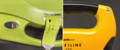
The Zoll AED Plus and Defibtech Lifeline units have maintenance indicators
AEDs are engineered to conduct automatic self-tests to ensure their functionality. Should any of these tests fail or detect a problem, the AED will emit a beeping sound signaling the need for servicing. Some AED models are equipped with an information button, providing detailed explanations for what needs to be serviced, like replacing the electrode pads or battery.
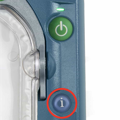
Philips HeartStart OnSite AED Information Button
Regular physical inspections are equally important to confirm the AED’s readiness. Just because there is no audible indicator that something is wrong with your unit does not ensure your AED is fully operational. Look out for any dirt, damage, and expiration dates that could affect functionality. Even if there are no audible alerts, a physical inspection may reveal operation issues or other concerns.
An AED is a critical component of your facility’s safety program. Understanding and adhering to proper maintenance schedules, recognizing the signs of wear, and promptly addressing any issues ensures that your AED remains reliable in the event of a cardiac emergency. At AED Professionals, we’re committed to helping you stay prepared with top-tier quality, expertise, and comprehensive customer support. View our product offerings or if you have any questions contact our team and we will be happy to assist you.
An Automated External Defibrillator (AED) is a critical emergency aid tool for healthcare facilities, schools, churches, and other organizations. M...
If someone is choking, you have just minutes to clear the obstruction before the situation becomes critical. While the Heimlich maneuver or blows t...
An Automated External Defibrillator (AED) is a critical emergency aid tool for healthcare facilities, schools, churches, and other organizations. M...
When using an AED on an infant under one year of age it’s crucial to use pediatric AED pads designed specifically for a child. Proper placement of ...
Maintaining consistent, high-quality compressions manually can be physically demanding and difficult, especially during long transport times or com...
When medical emergencies occur, every second counts. Cardiac arrest and respiratory arrest are two critical emergencies with distinct symptoms. Res...
When emergencies strike, every second counts, especially in the event someone goes into Sudden Cardiac Arrest(SCA), where the heart suddenly stops ...
What is the difference between automated external defibrillators and manual defibrillators? In the event someone suffers Sudden Cardiac Arre...
Do AEDs Expire? Sudden Cardiac Arrest (SCA) claims thousands of lives annually in the United States alone. In these critical moments, the pr...
Why AEDs are needed in Rural Areas Across America there are numerous rural communities spread far and wide from one anothe...
How much does an Automated External Defibrillator (AED) cost? You’ve seen AEDs (short for Automated External Defibrillator) in many public ...
Where to Place your AED? When it comes to public safety, one piece of equipment stands out for its life saving capabilitie...
Across America there are numerous rural communities spread far and wide from one another. Unfortunately, the delayed arrival of Emergency Medical Services (EMS) in these areas is a longstanding issue especially in the event of Sudden Cardiac Arrest (SCA) where every minute counts. The implementation of Automated External Defibrillators (AEDs) is a revolutionary step in enhancing emergency response. In this blog we’ll explore the pivotal role of AEDs in rural areas and their profound impact.
Imagine living on a farm where your closest neighbor isn’t for miles. If you experience cardiac arrest and after calling 911 you can wait over 10 minutes for help to arrive. This scenario is very real for those living in rural areas.
Time is of the essence when someone falls victim to SCA. For every minute that goes by without CPR and defibrillation, the chance of survival drops 10 percent. According to an article published by the National Library of Medicine, In rural areas, EMS response times are typically more than 14 minutes* because they have to cover longer distances in their communities.
AEDs are lightweight portable devices that are made to save lives in the event of someone experiencing cardiac arrest. AEDs are able to be used on individuals of all ages, from children to adults, with the correct electrode pad for the victim. By positioning AEDs in rural areas the gap until professional help arrives is significantly decreased.
Advancements in technology have significantly enhanced the functionality of AEDs in rural areas. Features like voice guidance and visual prompts ensure that even those without formal training can use the devices effectively. Additionally, some AEDs such as the Zoll AED 3 offer a universal electrode pad that can be used on both Adults and Children, eliminating the need for carrying two separate pads. The line of HeartSine AEDs have a long pad and battery lifespan that reduces maintenance costs. These units also have an Ingress Protection (IP) rating of 56 making them some of the most durable units available.
In addition to AEDs, rural areas could benefit from emergency devices to save lives in critical situations until EMS arrives. The LifeVac, a rescue suction device, offers a simple yet effective solution to a choking emergency, providing a non-invasive way to clear the airway when traditional methods fail. Similarly, Stop the Bleed kits are invaluable in rural settings, where medical help might be delayed. These kits contain essential tools like tourniquets, pressure dressings, and hemostatic agents to control severe bleeding. Both the LifeVac and Stop the Bleed kits embody the principle of being prepared for emergencies, ensuring that individuals can take immediate action to save lives, even in the most remote locations.
An Automated External Defibrillator (AED) is a critical emergency aid tool for healthcare facilities, schools, churches, and other organizations. M...
If someone is choking, you have just minutes to clear the obstruction before the situation becomes critical. While the Heimlich maneuver or blows t...
An Automated External Defibrillator (AED) is a critical emergency aid tool for healthcare facilities, schools, churches, and other organizations. M...
When using an AED on an infant under one year of age it’s crucial to use pediatric AED pads designed specifically for a child. Proper placement of ...
Maintaining consistent, high-quality compressions manually can be physically demanding and difficult, especially during long transport times or com...
When medical emergencies occur, every second counts. Cardiac arrest and respiratory arrest are two critical emergencies with distinct symptoms. Res...
When emergencies strike, every second counts, especially in the event someone goes into Sudden Cardiac Arrest(SCA), where the heart suddenly stops ...
What is the difference between automated external defibrillators and manual defibrillators? In the event someone suffers Sudden Cardiac Arre...
Do AEDs Expire? Sudden Cardiac Arrest (SCA) claims thousands of lives annually in the United States alone. In these critical moments, the pr...
Why AEDs are needed in Rural Areas Across America there are numerous rural communities spread far and wide from one anothe...
How much does an Automated External Defibrillator (AED) cost? You’ve seen AEDs (short for Automated External Defibrillator) in many public ...
Where to Place your AED? When it comes to public safety, one piece of equipment stands out for its life saving capabilitie...
You’ve seen AEDs (short for Automated External Defibrillator) in many public spaces including airports, shopping malls, gyms, and schools. Over the past couple of years, many people have begun to notice the importance of having them readily available to help treat victims of Sudden Cardiac Arrest (SCA). As the American Heart Association states, an AED is a portable device that “delivers an electric shock through the chest to the heart when it detects an abnormal rhythm and changes the rhythm back to normal.” Whether buying an AED for personal home use or a business, we’ll help you understand what expenses to consider as you shop for this life-saving device.
As of today, a brand-new AED costs anywhere from $1,400 to $3,500 (cost can exceed depending on intended use). An alternative to a new unit can be a refurbished AED unit which can drastically reduce the cost for those looking for a cost-effective solution. All AEDs have the same goal; to walk rescuers through the process of helping an SCA victim. They begin to differ with their unique features such as ZOLL’s Uni-Pad ability in the ZOLL AED 3 or a Pad-Pak from a HeartSine unit combining the pads and battery into one cartridge. In the past, we’ve talked about what AEDs we recommend depending on the industry, but today we’ll further talk about the costs associated with the purchase and maintenance of an AED.
The market for home Over-the-Counter (OTC) AEDs is currently limited to two units, the HeartSine 350P and the Philips OnSite. Both are fantastic, FDA-approved for home use and are also some of the top-selling AEDs across the board for many industries. Other AEDs typically require a prescription, but working with AED Professionals will help you receive a prescription when you purchase your AED, allowing you to buy a personal AED more easily. You can expect an average base cost of $1,450.00 (As of March 2024) without any additional accessories. If you are purchasing additional accessories, such as pediatric pads, you can expect the cost to go up.
NOTE: It is common that insurance companies typically do not cover the purchase of a personal AED. Please reach out to your insurance provider for further information and/or details.
Over the past few years, AEDs have slowly become required for specific establishments. An example of this is how gyms in more than 10 states are required to have an AED on site. With a variety of AEDs out there in the market for businesses, you can expect an average base cost of about $1,810.00 (As of March 2024) without any additional accessories. The purchase of additional accessories will make the cost go up.
Places of worship and other non-profit organizations have budget constraints when it comes to looking for an AED. Not only are there constraints with budgets, but there are also specific needs that need to be met, such as needing pediatric pads for children. Non-profit organizations and places of worship should expect an average cost of about $1,850.00 (As of March 2024) without any additional accessories. The purchase of additional accessories will make the cost go up.
Professionals in the Emergency Medical Responders (EMS) and Law Enforcement industry are the individuals who are most often first to arrive on the scene to begin immediately in assisting the SCA victim, meaning that they use AEDs the most frequently. These professionals need to make sure they are not only carrying an AED, but they must also make sure they have pediatric pads (if the AED needs them) to respond to a child victim. Oftentimes, EMS and Law Enforcement will purchase models that have more features, pushing the average cost higher than any of the other groups. EMS and Law Enforcement departments should expect an average cost of $2,375.00 (As of March 2024) without any additional accessories. The purchase of additional accessories, such as pediatric pads, will make the cost go up.
The total cost of ownership for an AED will vary depending on the use case. As explained, different locations and industries have different needs/requirements. Is your facility buying a new unit? Will you need an AED cabinet with signage? Will you be purchasing an AED Program Management program to make sure your AED(s) are properly maintained? Let’s take a dive into a break down of what the total cost of ownership for an AED is:
Brand new AED: $1,480.00*
Most common AED accessories purchased:
- Backup Adult Electrode Pads: $79.00
- Pediatric Electrode Pads: $115.00
- AED Cabinet & Sign: $27.00-$350.00
- AED Trainer: $485.00
Optional:
- AED Program Management: $105.00-$207.00 per year
Recurring AED Maintenance Cost:
- Adult Electrodes: $79.00 (every 2 years)
- Pediatric Electrodes: $115.00 (every 2 years)
- Battery: $189.00 (every 4 years)
*AED examples breakdown sample is using Philips HeartStart OnSite AED and its accessories.
An Automated External Defibrillator (AED) is a critical emergency aid tool for healthcare facilities, schools, churches, and other organizations. M...
If someone is choking, you have just minutes to clear the obstruction before the situation becomes critical. While the Heimlich maneuver or blows t...
An Automated External Defibrillator (AED) is a critical emergency aid tool for healthcare facilities, schools, churches, and other organizations. M...
When using an AED on an infant under one year of age it’s crucial to use pediatric AED pads designed specifically for a child. Proper placement of ...
Maintaining consistent, high-quality compressions manually can be physically demanding and difficult, especially during long transport times or com...
When medical emergencies occur, every second counts. Cardiac arrest and respiratory arrest are two critical emergencies with distinct symptoms. Res...
When emergencies strike, every second counts, especially in the event someone goes into Sudden Cardiac Arrest(SCA), where the heart suddenly stops ...
What is the difference between automated external defibrillators and manual defibrillators? In the event someone suffers Sudden Cardiac Arre...
Do AEDs Expire? Sudden Cardiac Arrest (SCA) claims thousands of lives annually in the United States alone. In these critical moments, the pr...
Why AEDs are needed in Rural Areas Across America there are numerous rural communities spread far and wide from one anothe...
How much does an Automated External Defibrillator (AED) cost? You’ve seen AEDs (short for Automated External Defibrillator) in many public ...
Where to Place your AED? When it comes to public safety, one piece of equipment stands out for its life saving capabilitie...
When it comes to public safety, one piece of equipment stands out for its life saving capabilities: the Automated External Defibrillator (AED). All AEDs are made to be accessible and user-friendly. However, simply having an AED is not enough. The placement within an organization is critical to its effective utilization during emergencies. Whether you are with a school, business, or place of worship, it is important to follow the best practices for AED placement and training.
The key to AED effectiveness is a rapid response. The American Heart Association emphasizes that the chances of survival decrease by 7% to 10% with every minute that defibrillation is delayed. This statistic underlines the necessity of strategic placement. AEDs should be readily accessible, clearly marked, and easy to retrieve in a matter of seconds, not minutes.
A thorough site assessment is the first step in determining the specific needs of your facility regarding AED installation. Key factors to look for include:
The strategic placement and proper installation of AEDs in your organization are vital steps towards creating a safer environment for everyone. By following these guidelines, you not only comply with legal requirements but also demonstrate a commitment to the health and safety of your employees, visitors, and the general public. Remember, the presence of an AED can mean the difference between life and death in a cardiac emergency. If you do not have an AED contact us to learn how you can prepare your organization for cardiac emergencies.
Source: https://parentheartwatch.org/wp-content/uploads/2017/02/Guidelines-for-AED-Installation.pdf


